



9 Effective Tutoring Strategies to Boost Learning and Motivation

Effective tutoring strategies are the difference between tutoring sessions that make a lasting impact and those that simply fill time. Tutoring has a potentially transformative effect on students’ academic success, but only when resources are used strategically and sessions are built around proven teaching techniques.
If you are looking to implement tutoring in your school, this article draws on over a decade of experience providing maths tutoring to outline 9 key tutoring strategies for successful learning.
Whether you are a classroom teacher, a dedicated tutor, or a school leader exploring tutoring programmes, these strategies will help you engage students effectively and make a real difference to outcomes.
Key takeaways
- Effective tutoring strategies are the foundation of high-impact tutoring. Without them, sessions risk filling time rather than driving progress.
- Building positive relationships and a supportive learning environment is the starting point for every successful tutoring programme.
- Diagnostic assessment and building on prior knowledge are essential – tutors should always start with what students already know and adapt from there.
- Effective questioning, constructive feedback, and metacognition development all help students become more independent, confident learners.
- AI-powered tutoring tools like Third Space Learning’s Skye can deliver personalised, one-to-one maths tutoring at scale, using skill check-in questions and adaptive lessons to meet every pupil where they are.
- Progress monitoring and tutor training are non-negotiable – without them, even the best tutoring strategies will fall short of their potential.

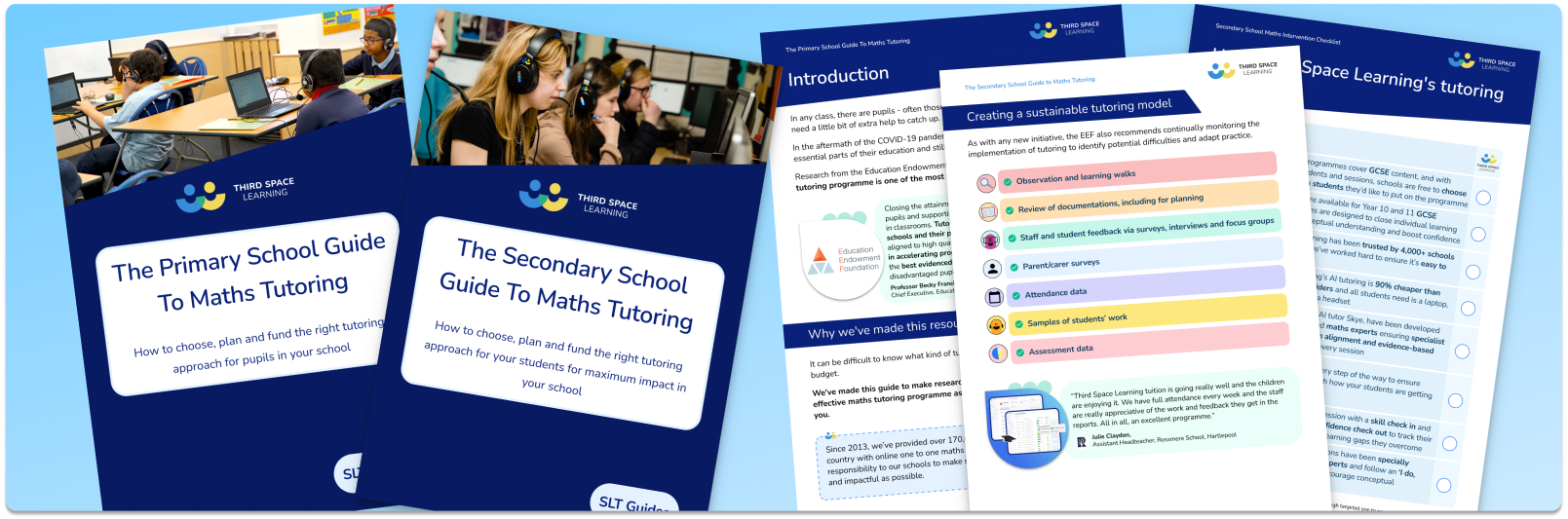
The Ultimate School Guide to Maths Tutoring
How to choose, plan and fund the right tutoring approach for your students for maximum impact in your school.
Download Free Now!What are tutoring strategies?
Tutoring strategies are the practices and teaching techniques that tutors use to help learners and ensure every session drives progress. Effective tutoring strategies enable tutors to:
- Develop students’ foundational skills across subjects
- Reteach core maths concepts and tackle misconceptions
- Provide guided practice in key skills
- Challenge learners at the right level to build knowledge and understanding
- Build self-confidence in maths knowledge and skills
- Ensure that students are making measurable progress
The best tutors do not simply deliver content – they adapt their teaching strategies and techniques to each student’s current level, creating a supportive learning environment where every learner can thrive.
How are tutoring strategies different from whole-class teaching?
Tutoring is targeted instruction in a small group or one-to-one setting, which may happen in school or at home. This article focuses on school-based tutoring, but parents seeking guidance on helping students at home may also find these strategies helpful.
Small group tutoring vs one-to-one tutoring
Some schools provide group sessions where students work on the same skill together. This approach offers learners opportunities to learn from peers and tutors, but requires careful diagnostic assessment and grouping to ensure students share similar learning gaps.
One-to-one high-impact tutoring may be more appropriate for pupils significantly below age-related expectations or for schools wanting highly personalised tutoring. This approach allows tutors to handle individual student needs, recognise and correct misconceptions, and create a supportive environment for shy students or those experiencing maths anxiety.
The key difference is that tutors work with students on targeted skills or concepts rather than moving through a set curriculum. They focus on individual needs and address achievement gaps. To make a lasting impact, tutors must develop partnerships with classroom teachers to ensure tutoring has measurable results.
Research confirms tutoring as an effective intervention
High-quality tutoring has solid research confirming it as an effective way to produce positive learning outcomes for students across subjects. However, tutoring is not a silver bullet; effective tutoring must involve careful planning, training, tutoring strategies, and monitoring for the best impact on learner outcomes.
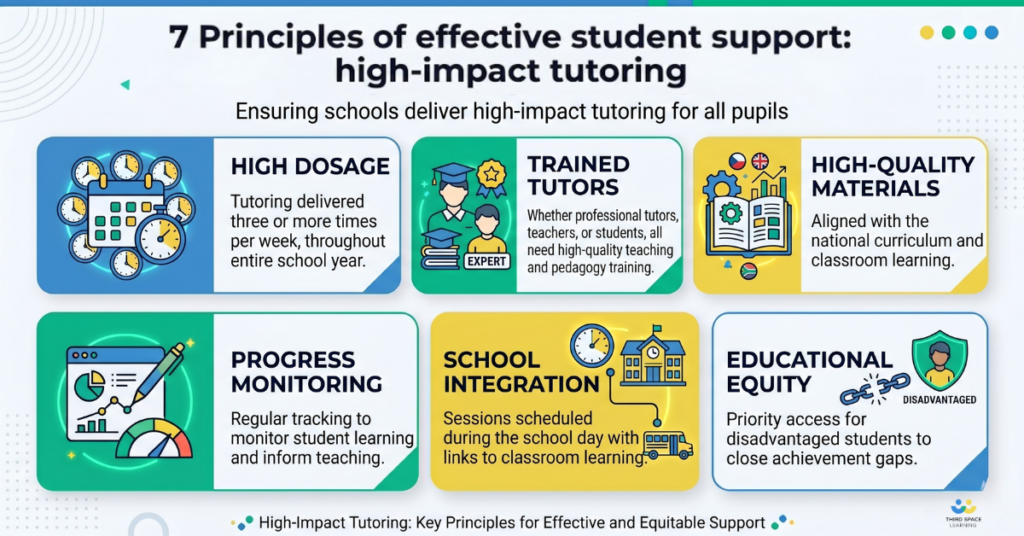
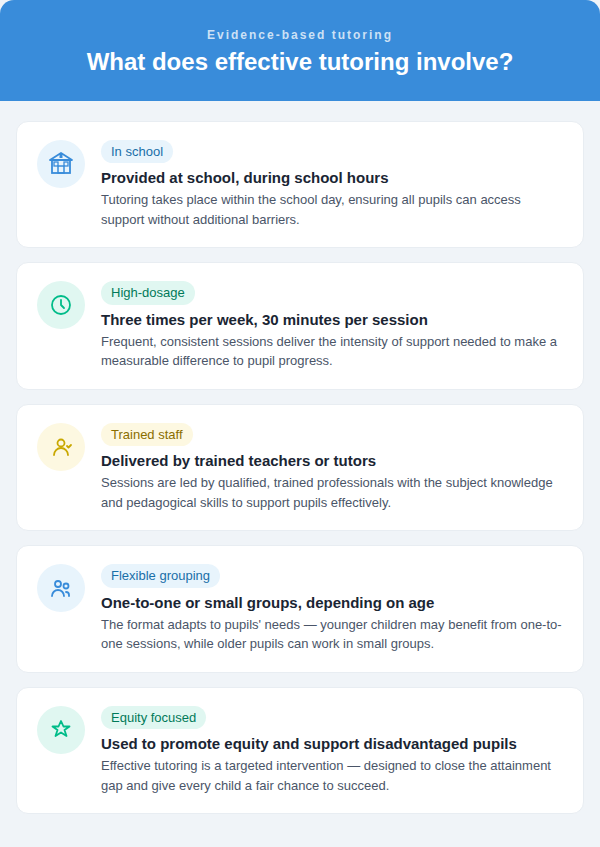
According to research by the Education Endowment Foundation and the Poverty Action Lab, tutoring is most effective when it is:
- Provided at school, during school hours
- High-dosage (provided three times per week for 30 minutes per session)
- Delivered by trained teachers or tutors
- Provided one-to-one or in small groups, depending on the students’ age
- Used to promote equity in education and help disadvantaged children
9 tutoring strategies to boost learning and motivation
1. Build positive relationships
Learning happens through interaction and relationships. The first effective tutoring strategy is for tutors to build rapport with students. Skilled tutors get to know their learners’ interests, learning preferences, and the teaching techniques that engage them most. A strong tutor–student relationship is the foundation of the learning process and creates a supportive learning environment where learners feel safe to ask questions and make mistakes.
Teachers can provide notes about how best to work with each pupil, including any SEND requirements, EHCPs, or EAL needs. This guidance helps tutors develop sessions that respond to the whole learner.
2. Prepare lessons and excellent resources
The best tutors come prepared with thorough lesson planning that meets students’ needs and helps them reach the next level of understanding. Tutors should use excellent resources to enrich the learning experience and engage students in active learning across different subjects.
Lessons should be broken down into stages to encourage students to work from guided practice to independent practice. For example, a lesson might begin with a brief review before introducing new material through interactive activities. Each lesson should be designed to ensure progress in every tutoring session, with resources that reinforce learning and cater to different learning styles.

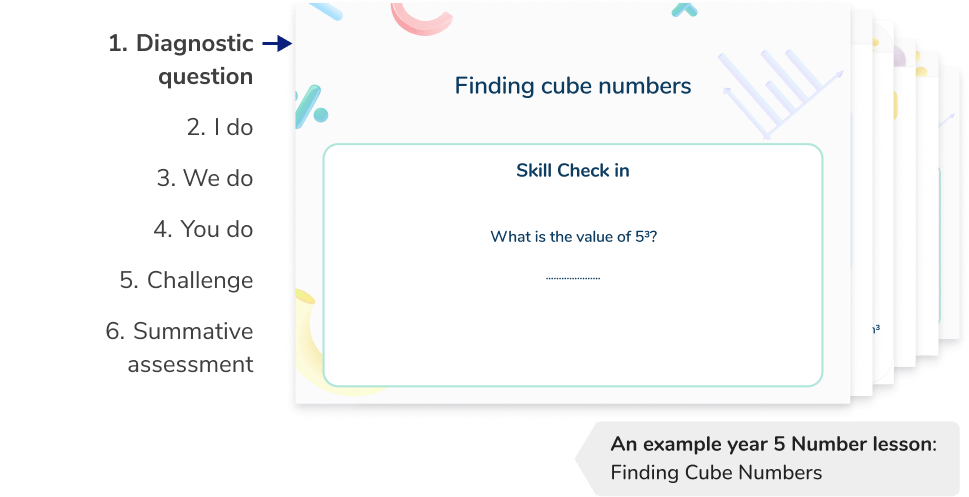
All Third Space Learning tutoring lessons follow an I do, we do, you do structure. After an independent skill check-in, Skye takes pupils through the maths concept, from guided to independent practice, finishing with a skill check-out to assess pupil progress.
3. Use effective questioning techniques
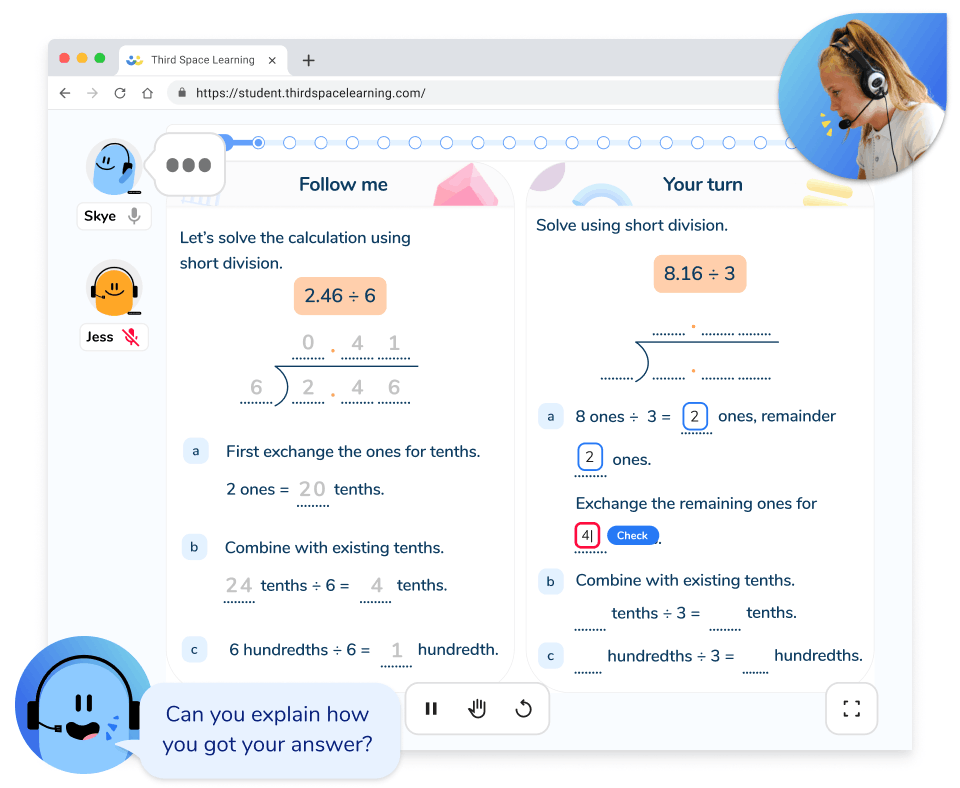
Effective questioning is a key feature of every successful tutoring session. High-quality sessions involve interactive activities and dialogue that engage learners in thinking deeply about the material. When a tutor prompts a student through a problem — rather than simply providing answers — they build the learner’s critical thinking skills, self-confidence, and metacognition.
Tutors should encourage questions from students, too. When learners feel comfortable asking questions, they develop a deeper understanding of concepts and become more active participants in the learning process. This two-way dialogue is what makes tutoring so much more effective than passive learning.
Third Space Learning’s AI maths tutor, Skye, uses effective questioning in every session. All questions are written by former maths teachers and maths experts to ensure they are pedagogically sound and encourage deeper thinking.
4. Check in and clarify with constructive feedback
Tutors should check in and clarify information frequently to address gaps in students’ understanding of the content. Regular feedback helps learners understand where they are making progress and where they need further help. Constructive feedback is particularly helpful for pupils who are working below age-related expectations in maths or other subjects.
Providing constructive feedback throughout each session, not just at the end, helps students develop a growth mindset and builds their confidence. This is a crucial tutoring strategy that educators should address in every tutoring session.
5. Build on prior knowledge
Effective tutoring strategies always begin with what students already know. Tutors should assess where each student is and make connections to new concepts. A tutor can use active listening to identify which skills a learner is confident with and then introduce skills at the next level of difficulty.
For example, lessons should include introductory tasks used diagnostically. Tutors use questioning to develop understanding of a student’s prior knowledge and any maths misconceptions, then tailor the lesson to individual student needs. Building on prior knowledge helps reinforce learning and makes new concepts feel accessible rather than overwhelming.
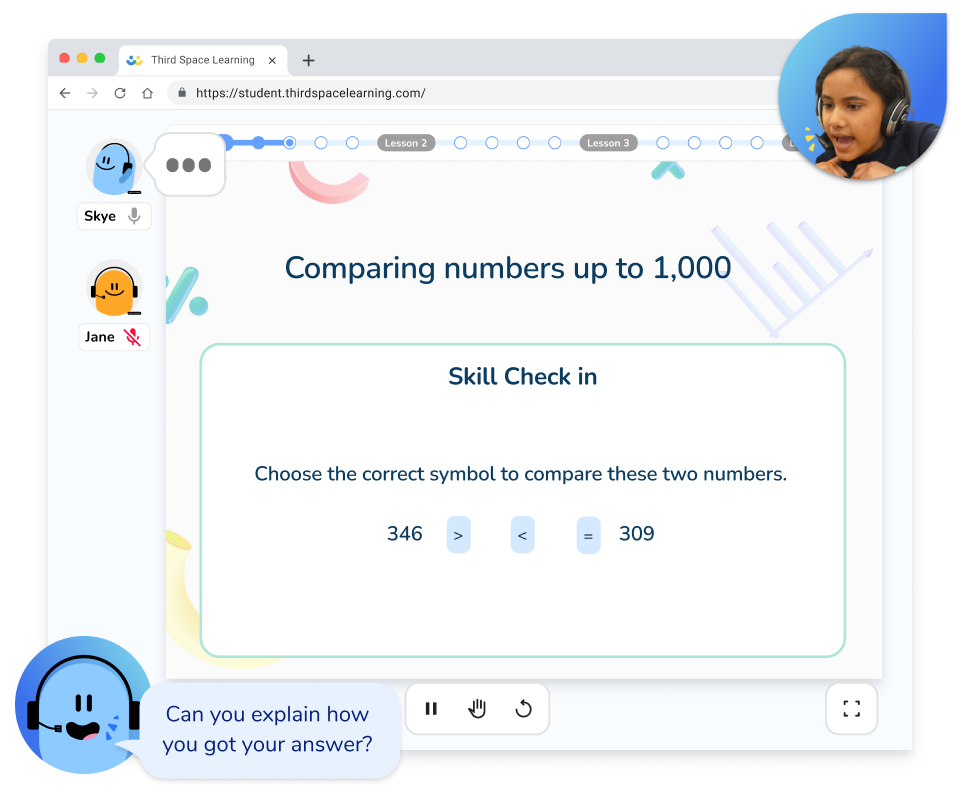
Every maths tutoring session with AI maths tutor Skye begins with a diagnostic skill check in question. Pupils complete a question designed to assess prior knowledge. How they answer determines how Skye adapts its teaching. If the pupil answers correctly, Skye takes them straight to independent practice to consolidate learning. However, if pupils answer incorrectly, Skye takes them through the whole lesson, teaching them the skills needed to master the maths concept.
6. Use multiple modalities for different learning styles
Learners engage with material in different ways, and effective tutoring must cater to different learning styles. Tutors should encourage students to engage through a variety of teaching techniques — writing, speaking, listening, and using maths manipulatives. For example, writing out workings helps learners consolidate their understanding. Interactive activities such as using whiteboards, visual resources, or working through problems together with real-time feedback all help to reinforce learning.
Whether sessions are delivered in person or through online tutoring via platforms such as Google Meet, tutors should ensure students are engaged in active learning throughout the entire learning experience. Adapting to different learning styles is a crucial skill that makes a real difference to learning outcomes.
7. Develop metacognition
In maths, students must apply the same process or skills to various problems. This requires the ability to think about what they are doing as they do it. Over time, when learners recognise what they are doing and why, they become more independent learners and develop stronger problem-solving skills.
The structure of tutoring sessions should help students develop confidence, maths skills, and metacognitive strategies to complete independent practice. Interactive activities and real life scenarios can help learners see the purpose behind what they are learning and deepen their understanding. Students should be encouraged to take on more challenging, problem-solving questions as lessons progress.
8. Teach to generalisation
Students will apply the same maths skills in tutoring as in their main classroom, so tutors must explain and show learners how the skills learned during a session apply to class time and across different subjects. This connection between tutoring and classroom teaching is what ensures tutoring has a lasting impact.
The content of lessons and the approach to teaching in tutoring sessions should align with the school’s curriculum. National curriculum-aligned lessons ensure that learning in sessions can be directly transferred to the classroom. Tutors can also use practice exams and real life scenarios to help students see how their knowledge and skills apply in assessment contexts, building understanding across topics.
9. Monitor progress
Schools and tutors must address key questions: Is tutoring having an impact on student progress? Are students mastering the skills taught? If not, what is stopping them? How should the tutor adjust their strategies and techniques?
Progress monitoring is a key feature of effective tutoring. After each session, teachers should receive detailed lesson reports showing topics covered, skills practised, and progress made. These reports engage educators and parents alike, providing the guidance needed to help learners beyond the tutoring session. On-demand progress reports can inform classroom teaching or be sent home to improve parental engagement.
The key to successful tutoring: tutor training
Research shows that students benefit most from one-to-one tutoring when tutors have deep knowledge of maths and teaching strategies grounded in pedagogy. While effective tutoring can be delivered by non-subject specialists, for best impact tutors should receive initial training and ongoing professional development.
Educators delivering effective tutoring should be able to:
- Understand the curriculum and how students are assessed
- Deliver learner-centred teaching across different subjects
- Personalise lessons to ability and respond to each learner’s needs
- Use effective assessment for learning techniques to identify gaps in understanding
- Explain and correct misconceptions in maths and other key subjects
- Foster a growth mindset and encourage student voice, autonomy, and reflection
- Adapt pace and teaching techniques for different learning styles
- Help students with maths anxiety and build a supportive learning environment
- Understand safeguarding policies and promote learner wellbeing
Non-specialist teachers and educators can deliver effective tutoring with the right guidance, but skilled tutors are subject specialists with training and experience. Effective and thorough tutor training is key to successful tutoring and makes the difference between sessions that fill time and those that drive academic success.
Schools exploring online tutoring should also ensure tutors are trained in effective online delivery techniques, as engaging students through platforms like Google Meet requires a different set of skills compared to in-person sessions.
Effective tutoring strategies FAQs
High-quality tutors must have strong subject knowledge and the ability to engage students using a variety of effective tutoring strategies and teaching techniques. They must also encourage questions, use interactive activities, and provide regular feedback that helps learners develop understanding and confidence. The best tutors create a supportive environment where children feel encouraged to take risks with their learning.
Effective tutoring should follow a structure that allows tutors to review content, introduce and practise new material, and assess learning. For example, one efficient lesson structure is:
1. Review and practise mastered skills
2. Teach and model the new concept with clear answers to common questions
3. Guided practice with constructive feedback
4. Independent practice of the skill taught
This structure helps students build knowledge systematically while giving educators opportunities to identify misconceptions and provide answers to learners’ questions.
If learners are finding it difficult to engage with tutoring, the most helpful approach is to prioritise building positive relationships and establishing a supportive learning environment. Tutors can learn what the student likes – their interests, hobbies, and how they prefer to learn — and tailor tutoring sessions to individual needs. Setting and sharing clear tutoring goals helps make sessions meaningful, giving learners a sense of purpose and motivation.

DO YOU HAVE STUDENTS WHO NEED MORE SUPPORT IN MATHS?
Skye – our AI maths tutor built by teachers – gives students personalised one-to-one lessons that address learning gaps and build confidence.
Since 2013 we’ve taught over 2 million hours of maths lessons to more than 170,000 students to help them become fluent, able mathematicians.
Explore our AI maths tutoring or find out about online maths tuition for your school.