What school leadership resources are on this page?
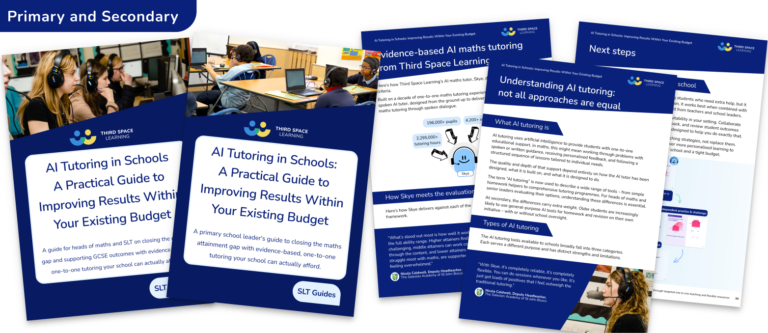
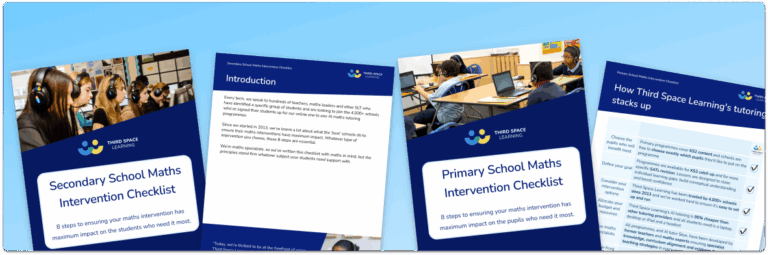
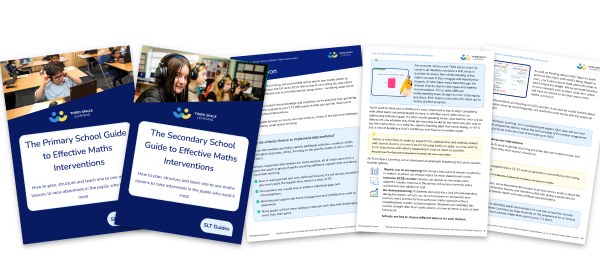
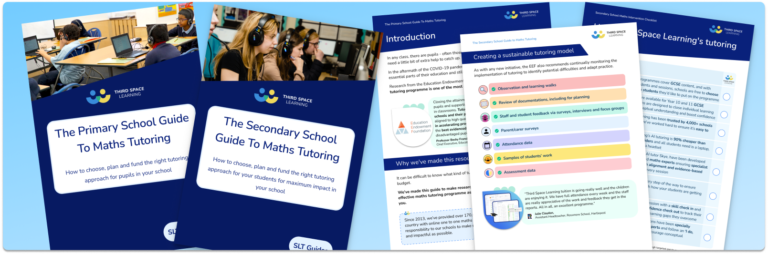
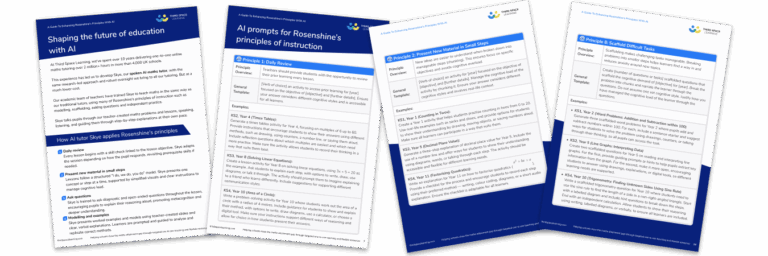
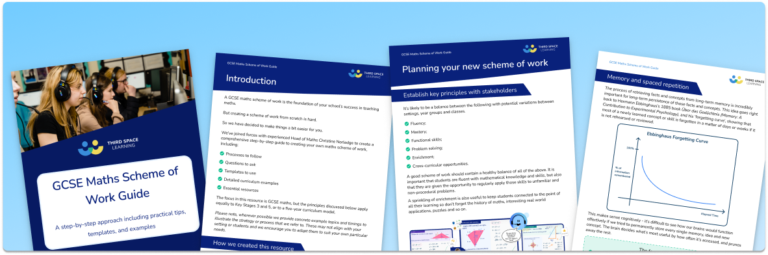
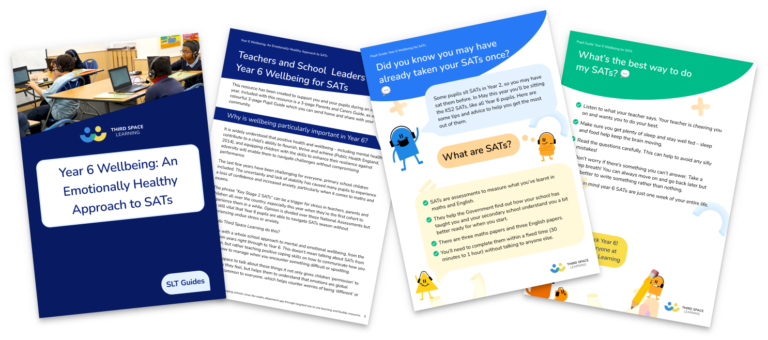
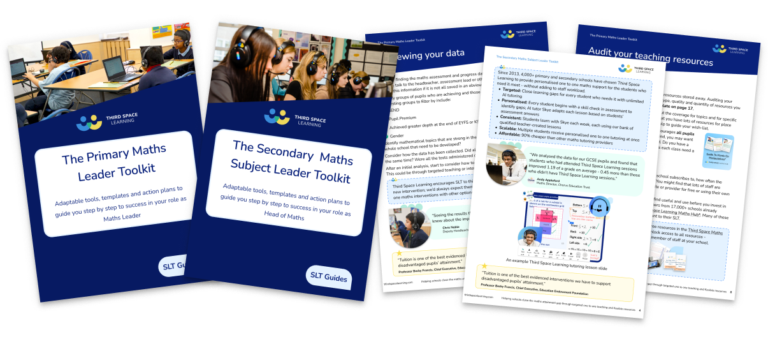
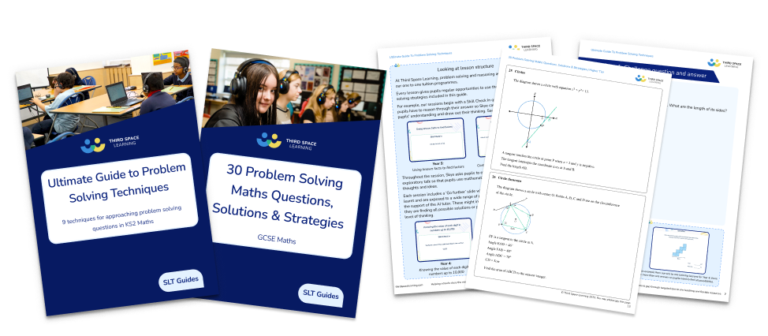
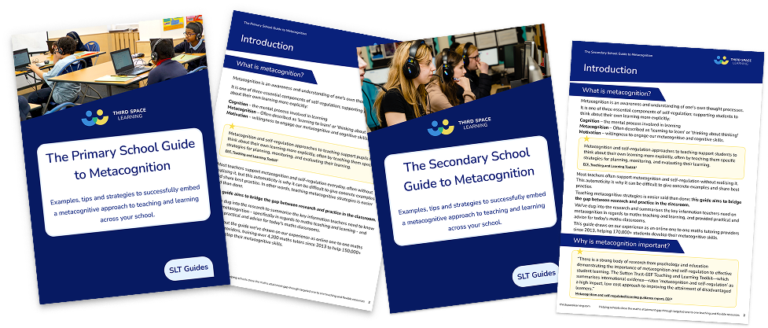
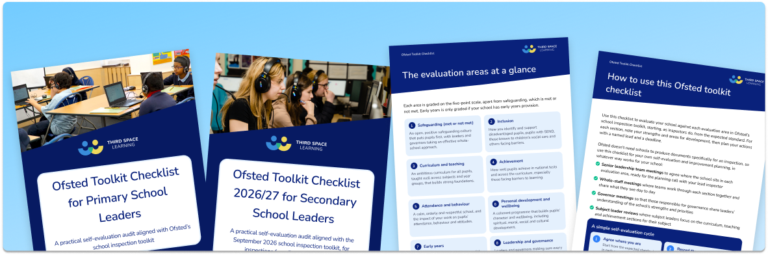
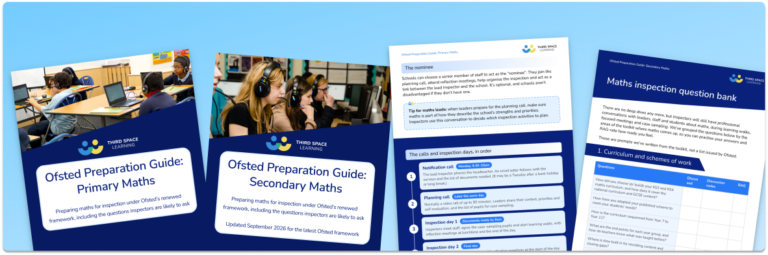
There are 28 free guides, toolkits and templates for schools in England, covering a range of topics: tutoring and intervention, AI in education, GCSE and SATs, maths leadership, assessment for learning, Ofsted and presentations for parents. Each guide can stand alone, so you can download just the one you need. Many have separate versions for primary and secondary; note that the GCSE guides are for secondary schools and the SATs guides for primary.
How can I use these guides with my team?
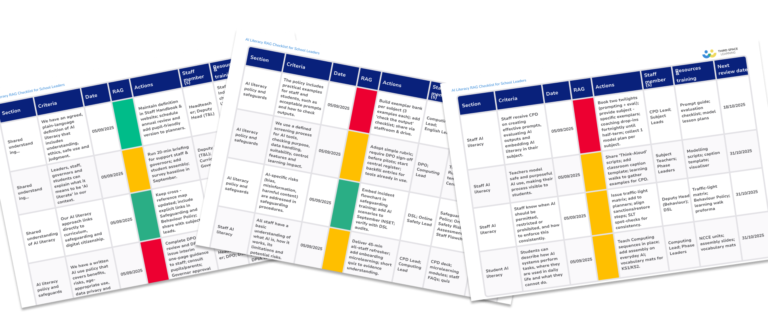
Many of these guides are designed to be used with colleagues as well as on your own. The maths mastery toolkit works well for running staff meetings, the Edexcel marking toolkit includes ready-to-use CPD tasks to support consistent marking of students’ work, and the audits and checklists help you create an action plan that gives middle leaders a clear role in school improvement.
Are there interactive tools for school leaders?
We’re building some now. Budgeting and deciding where to put staff and support are real challenges for heads, so the first interactive tools are designed to help education leaders with budgeting and resource allocation: using your own school data to create a spending plan, and seeing where staff time and support will do most for improving outcomes for pupils and students. We’ll add them to this page as they launch.
Who are these resources for?
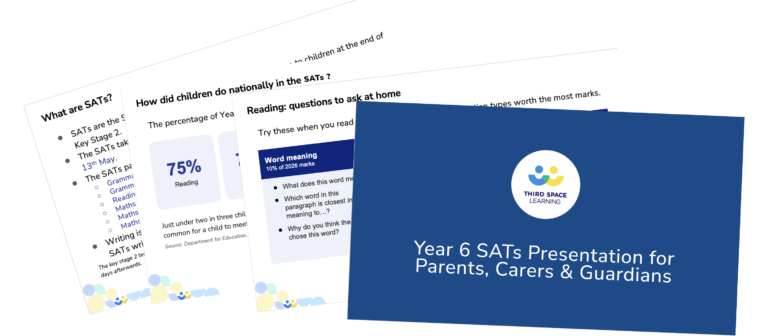
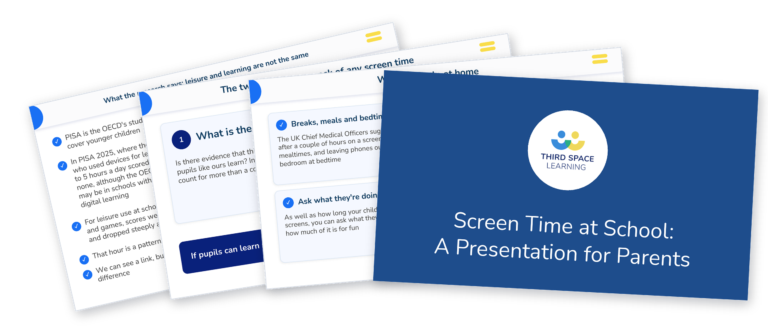
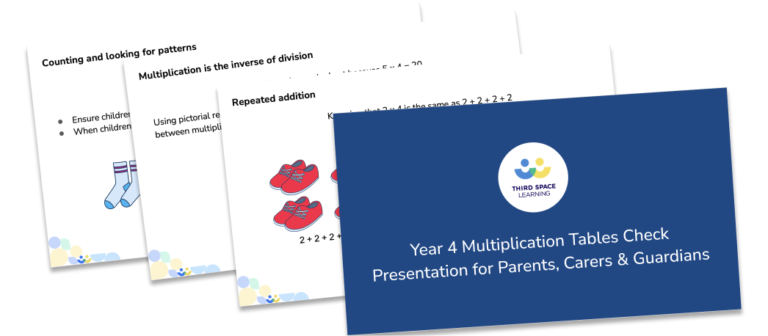
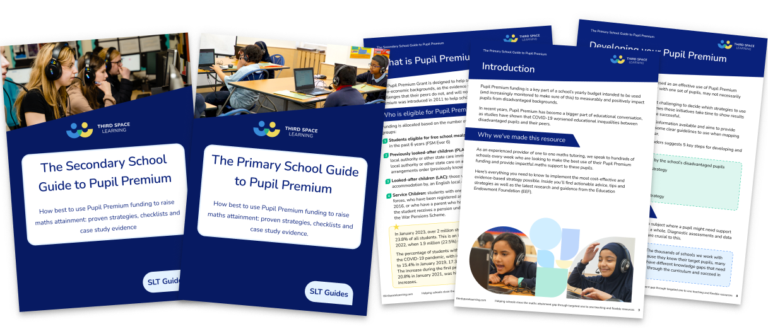
They’re for headteachers, senior leadership teams, heads of maths, subject leads and other education leaders and practitioners in schools and trusts. Several are useful for governors too: the pupil premium toolkit helps you report on spending to governors, and the Ofsted toolkit checklists cover the key changes governors need to understand. The Year 6 SATs and multiplication tables check presentations help you communicate with families and the wider school community.
What professional development is there for school leaders in England?
The Department for Education’s national professional qualifications (NPQs) are the main accredited route, from the NPQ for senior leadership to the NPQ for headship. Many leadership skills also develop in school: working through real challenges with colleagues, coaching and mentoring, and using practical resources like these guides, which complement an NPQ, to support your own learning and your colleagues’.
What does effective school leadership look like?
Viviane Robinson’s research found that the leadership practice with the biggest effect on pupils is leaders taking part in teachers’ professional development themselves. Setting clear goals, using resources strategically, leading teaching and the curriculum, and building a supportive culture also matter for improving outcomes for children and young people. Our blog on the 7 principles of effective school leadership looks at what this means day to day for a headteacher, and the challenges that come with the role.
Are these resources free?
Yes. You can access every guide for free: follow the link on any card, enter a few details and download it, then use it to support colleagues across your school or trust.