

The Best Place Value Resource Ever: Your Free Printable Place Value Accordion

A place value chart is an essential math resource in any elementary school teacher’s toolkit. Place value underpins the foundations of many math standards, and having a simple way to help learners grasp these concepts is invaluable.
However, finding a place value chart to use and reuse can be difficult.
Not any more!
Our printable place value chart is simple, easy-to-use and easy-to-recreate. It’s a brilliant math resource to have in your back pocket ready for the start of the year!


Place Value Chart Interactive
A great classroom display to help your students visualize place value
Download Free Now!If you need the background first, our guide to place value charts covers what they are, what each place is worth, which chart suits which grade, and the misconceptions they head off. This page is about one specific chart: the accordion, which folds, and which students can make themselves in ten minutes.
The best place value chart
As a teacher, you already know how important the place value chart is in your teaching but did you know there was a way to supercharge its effectiveness?
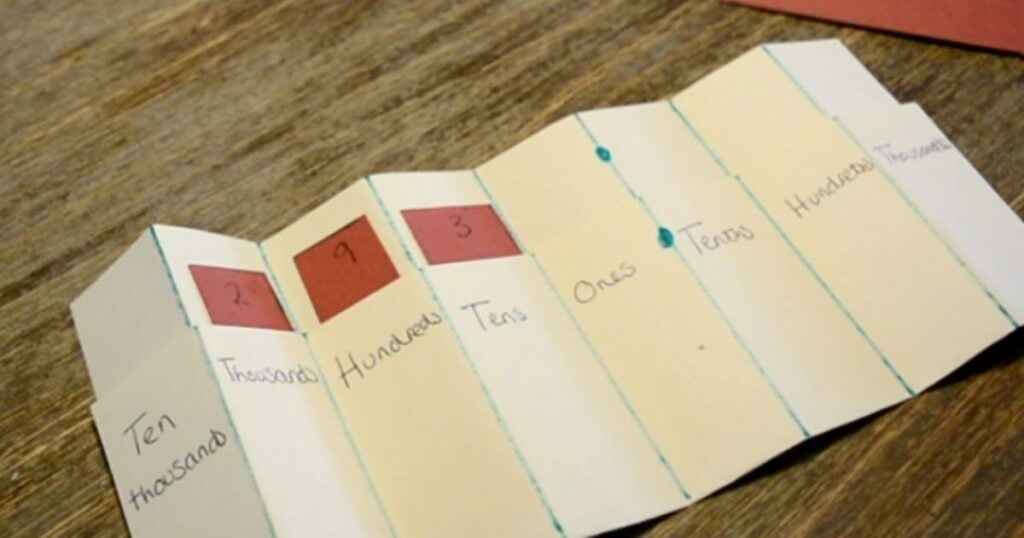
All it takes is some colored cards, pens, and scissors. Within ten minutes you can have a foolproof tool for showing how to move numbers to the left or right when teaching place value. It’s so simple you can even get your students to make it with you!
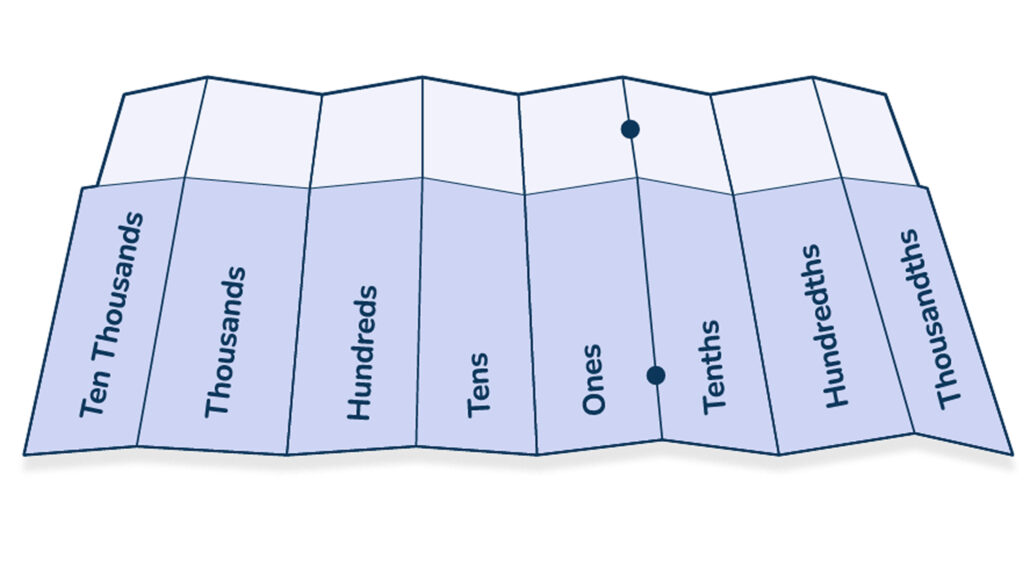
How to make your place value accordion
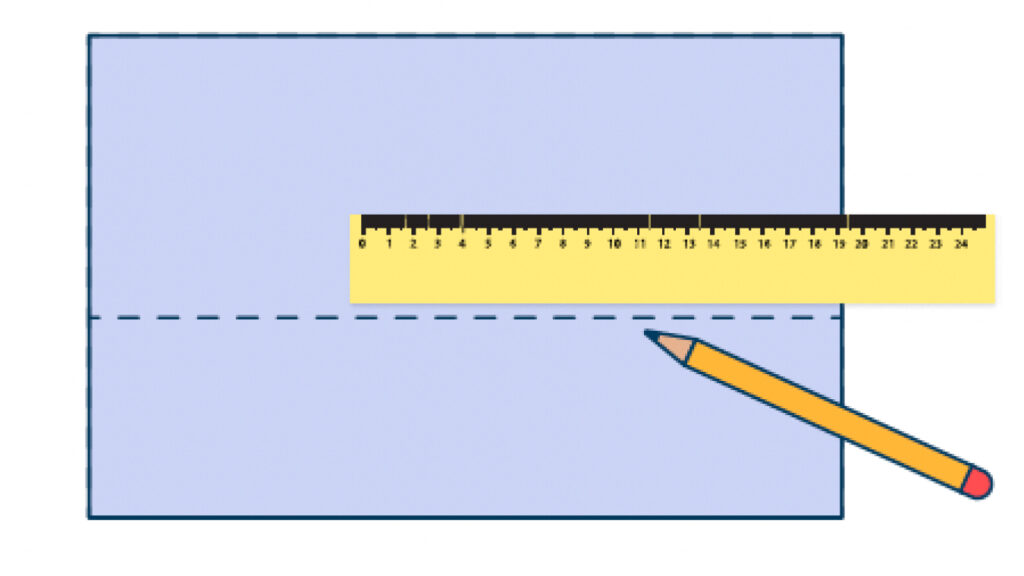
What you will need:
- 2 letter-size sheets of colored card stock (preferably two different colors)
- Scissors
- Felt tip pen
- Pencil
- Ruler
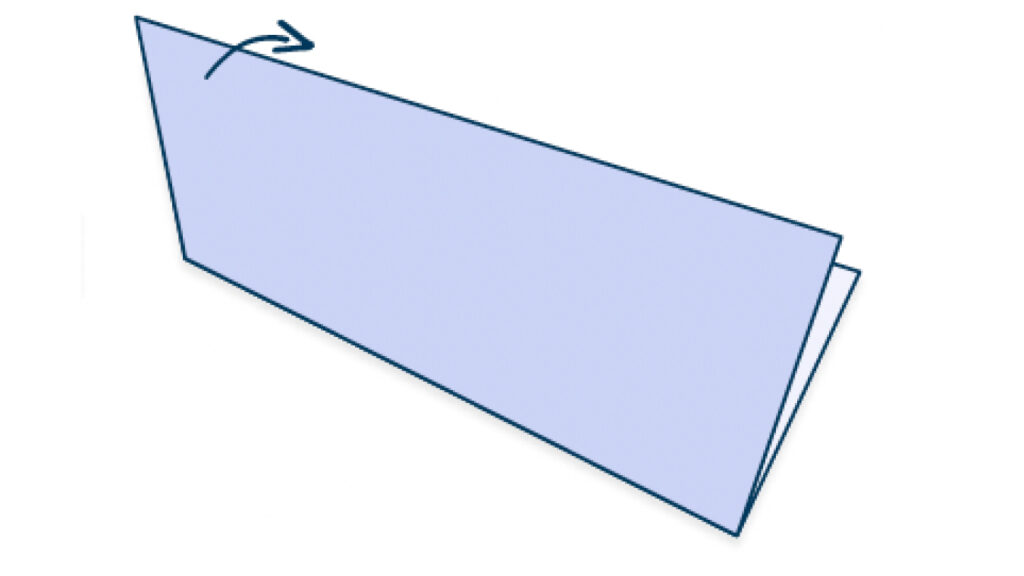
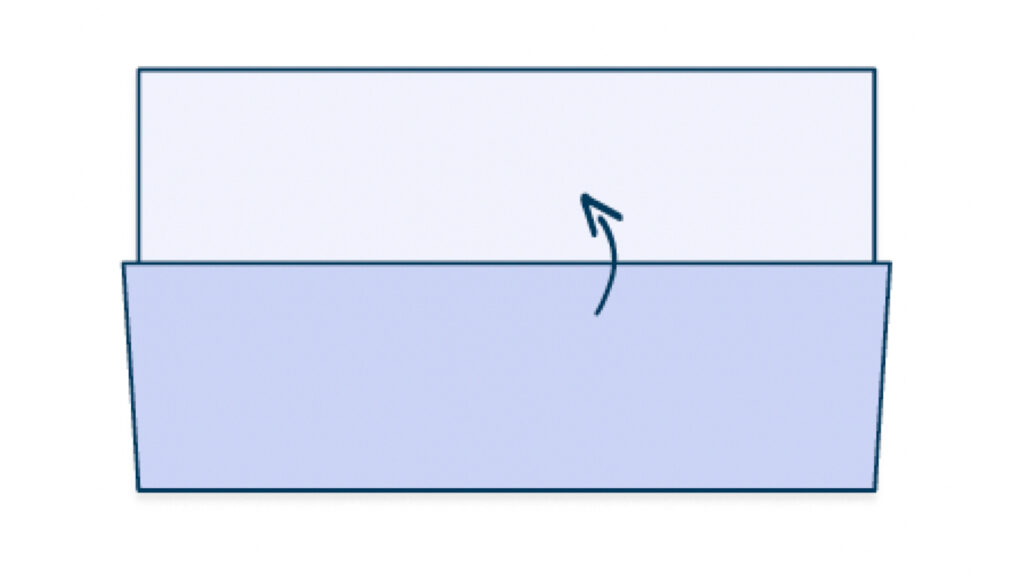
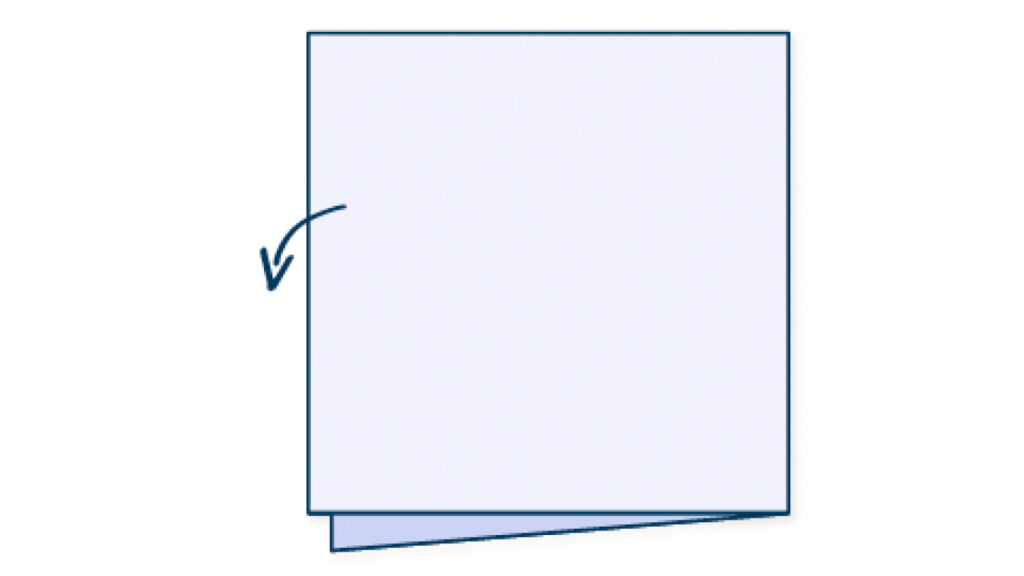
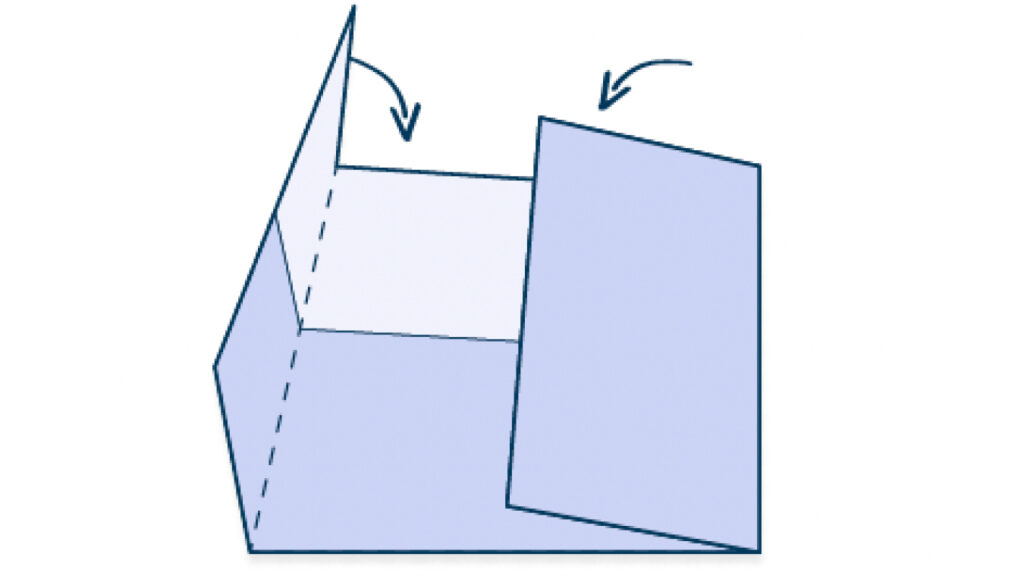
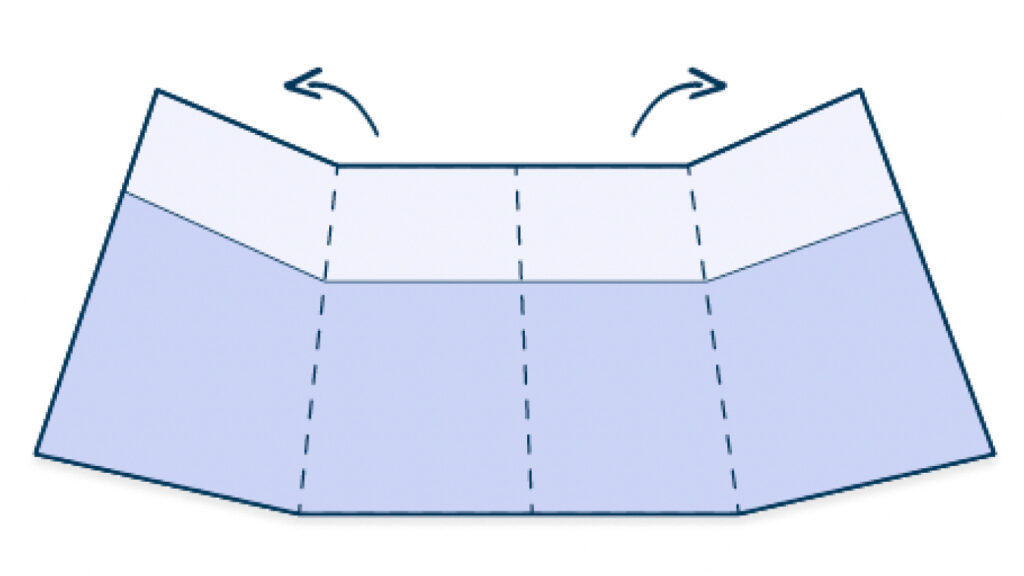
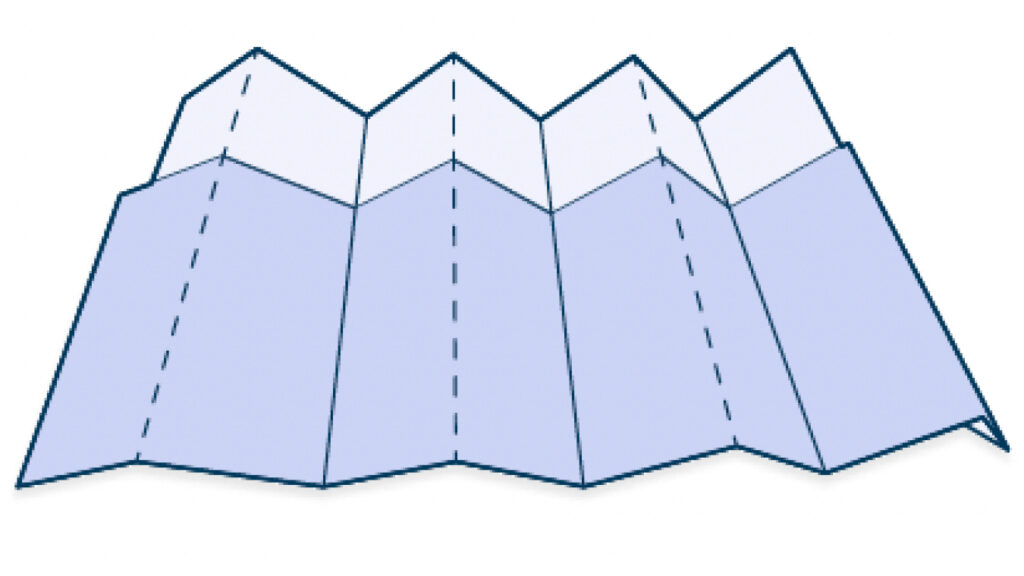
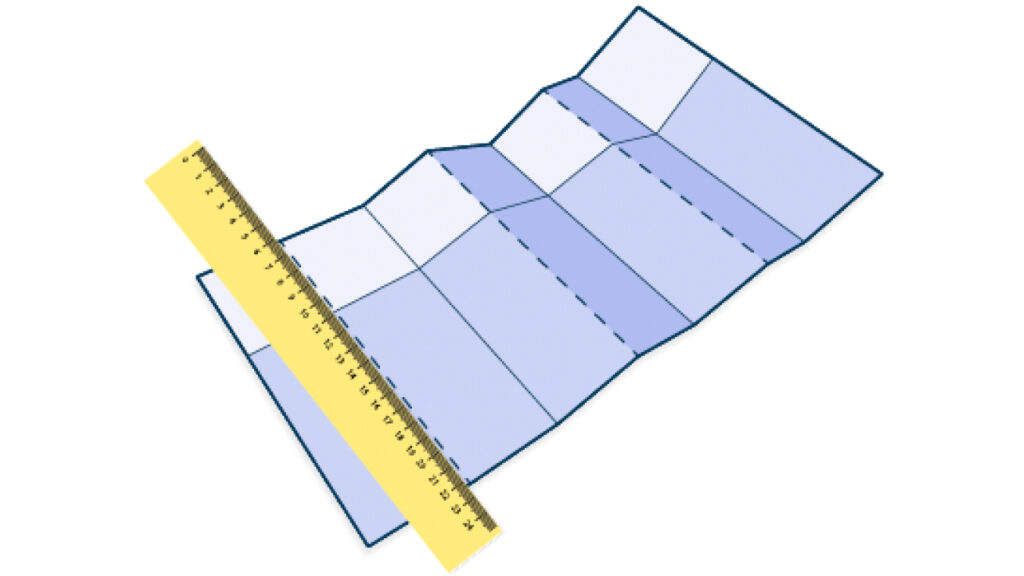
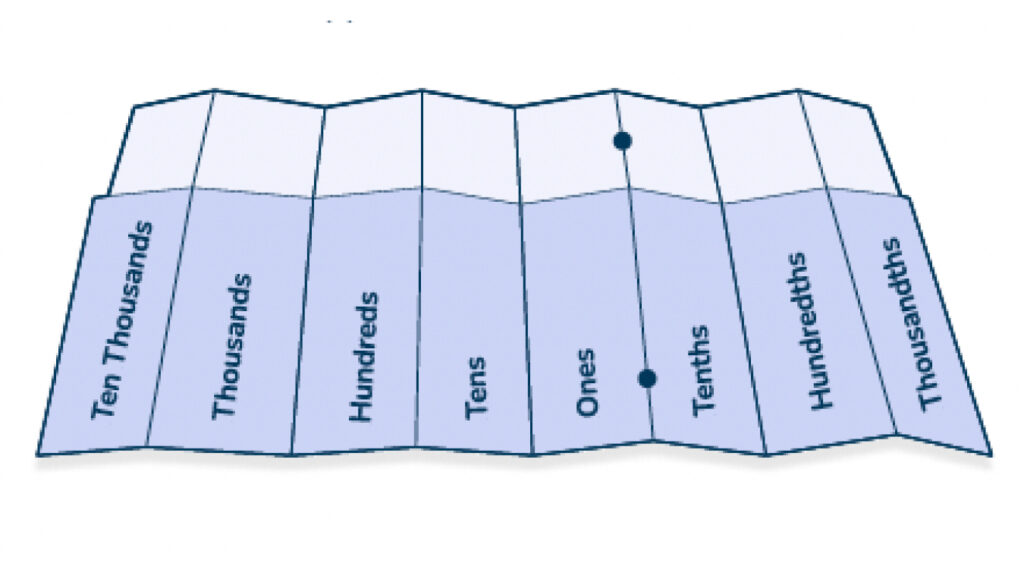
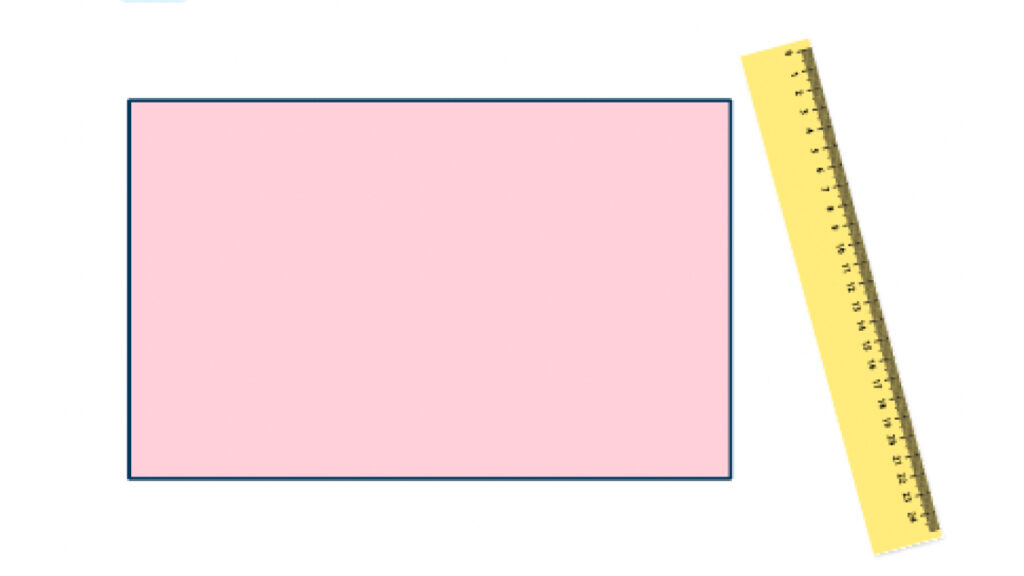
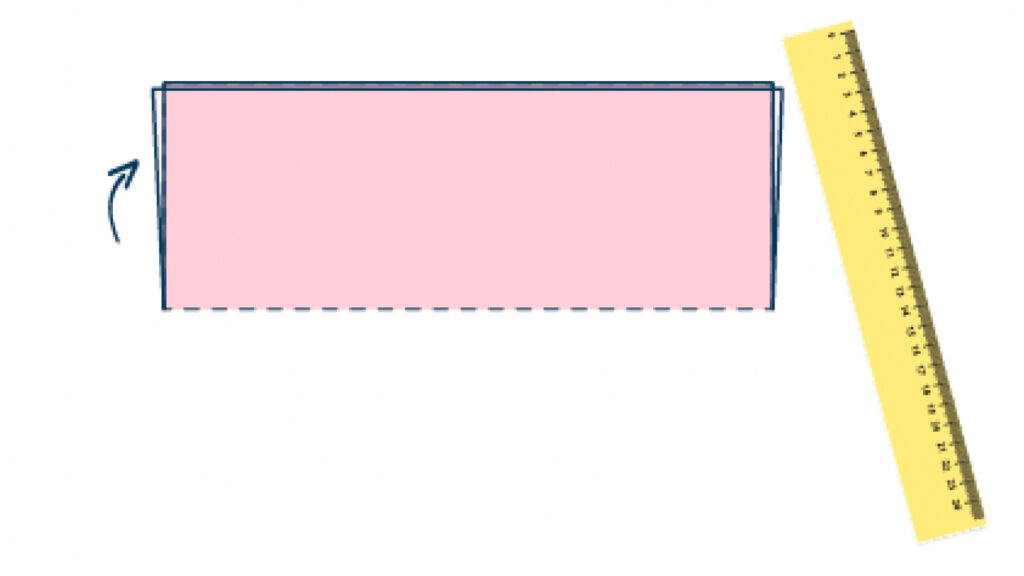
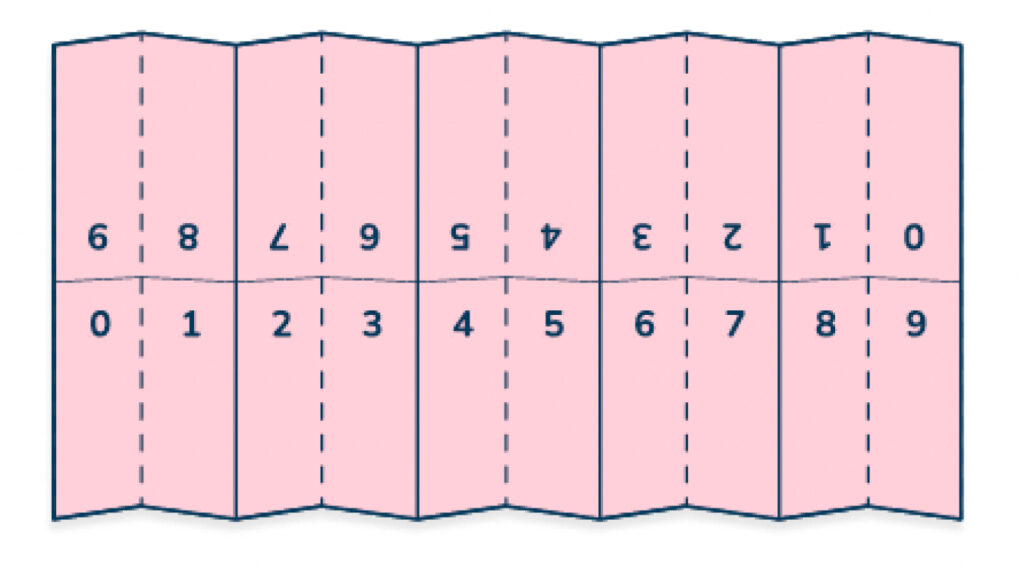
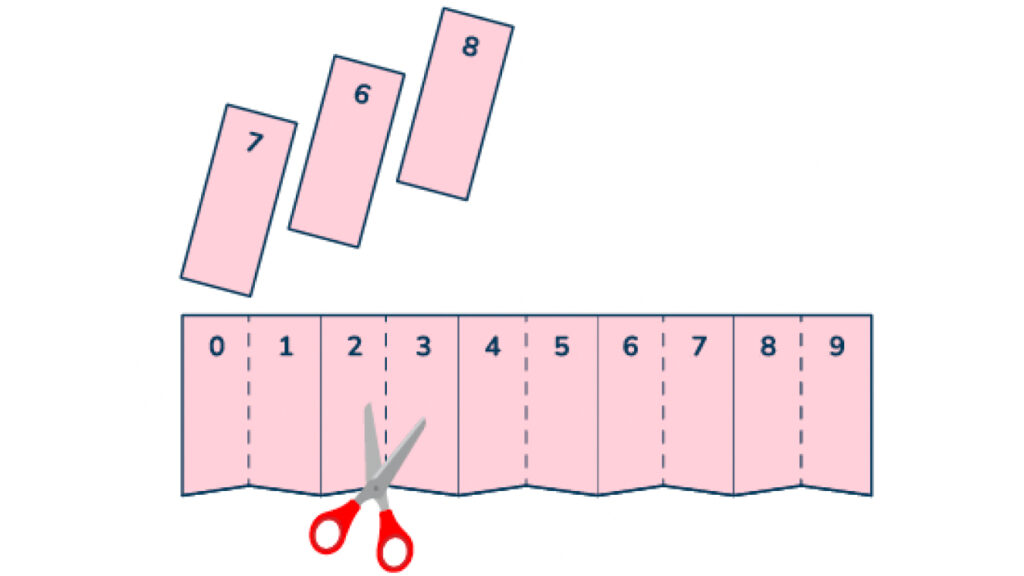
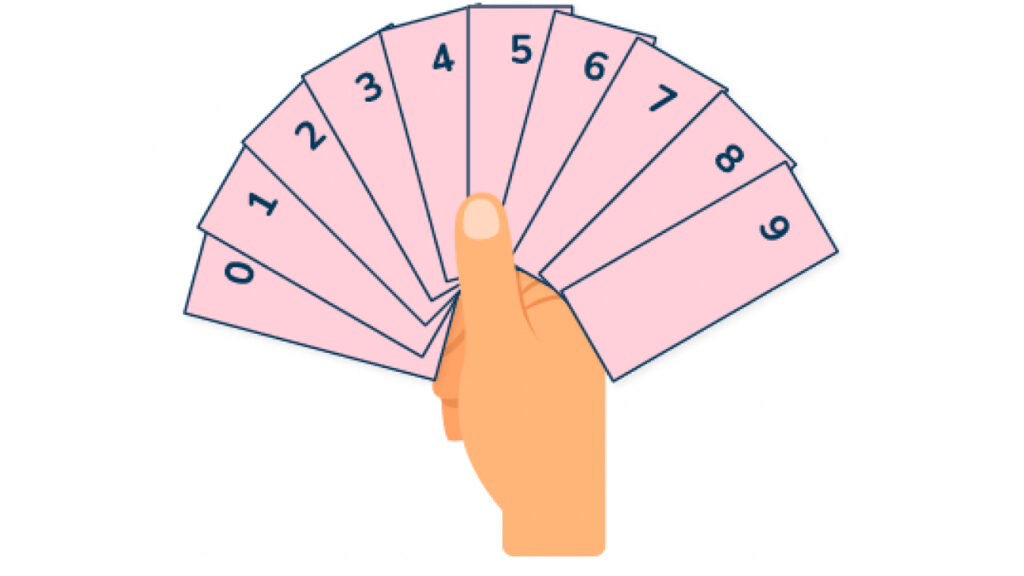
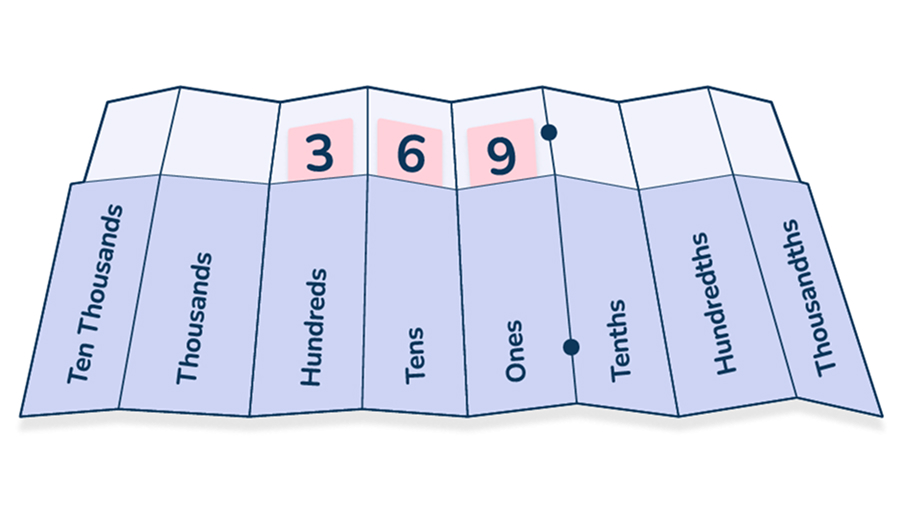
How to use your place value accordion
Once you’ve made your place value accordion, simply ask students to make a number. In the example below we have made 369.
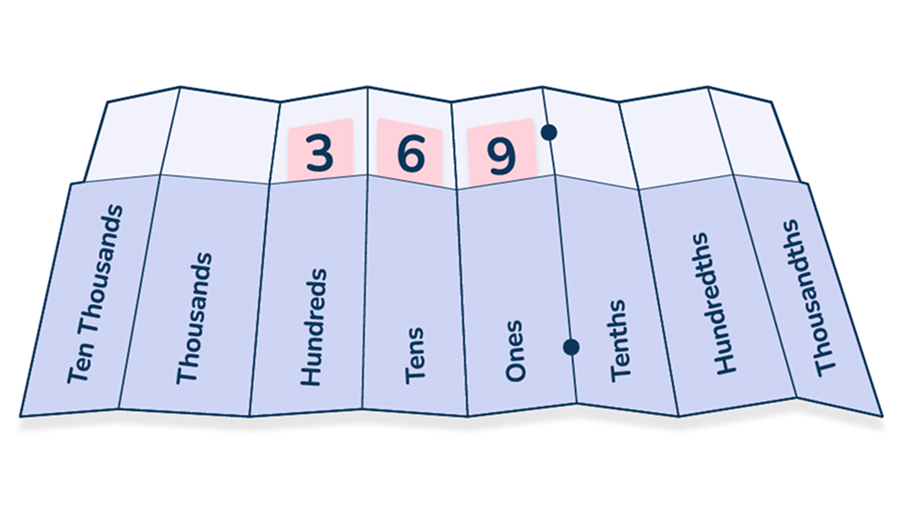
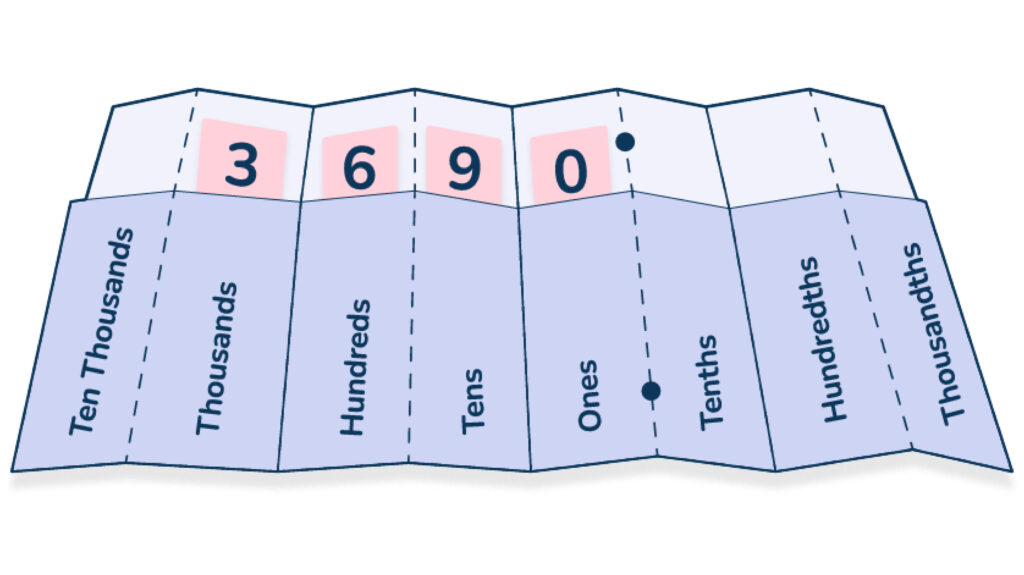
Multiply by 10 using your place value chart
Then ask them to multiply by ten, moving the numbers one column each to the left. They will also need to add a zero as the placeholder in the ones column. Not for nothing did my class always call it Zero the Hero!
Divide by 10 using your place value chart
If you want to divide 369 by 10 then you simply move the numbers one column each to the right as seen in the picture below.
Students are quick to pick up the idea and process of physically moving the digits, following place value charts. This embeds the concept correctly, helping them to move on to large numbers and more complex concepts.
On a place value chart (as shown below), not only is it clear that this is the answer, but children can further see that 9 is now in the tenths place. Dividing by 10 once again would move the 9 into the hundredths place and the 6 into the tenths place etc.
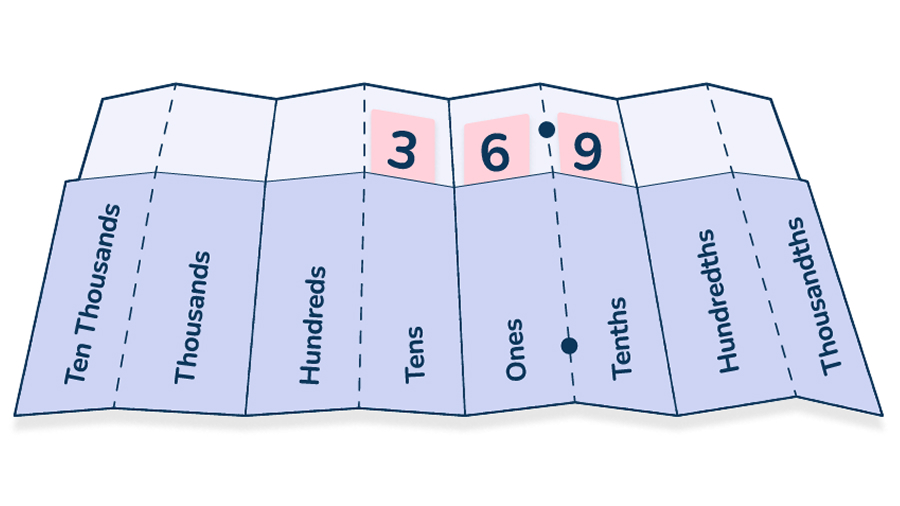
You can also move on to multiplying by 100, moving two columns left and needing two zeros, and so on.
Meet Skye, the spoken AI math tutor making math success possible for every student.
Teachers and math experts built Skye on the same principles that make human tutoring effective. Its pedagogy, curriculum and lesson structure draw on more than 2.2 million tutoring sessions.
But with more flexibility and at a low cost, schools can scale online math tutoring to support every student who needs it.
Find out morePlace value chart activity ideas
My students have always loved this place value accordion resource and we would play games with them.
Activity 1: What number am I?
I would call out clues for a number and my students would add the right digits into the columns to show the answer.
Example:
- I am a three-digit number.
- My tens digit is 6 less than my ones digit and 1 less than my hundreds digit.
- If you multiply me by 7, the estimated product is 1,400.
- What number am I?
For trickier numbers, I might ask them to work in pairs or groups.
Activity 2: Writing numbers
- Ask each child to make a number (you may want to specify for example a 3-digit or 2-digit number or a number with 1 decimal place) in their accordion.
- Students show their number to a partner and together, they try adding/ subtracting one number from the other.
This will help to reinforce place value in addition and subtraction.
I hope you find this place value chart useful. This free resource has not only worked brilliantly for me during the many years of my own teaching career but it was passed down to me by my own teacher (now retired). So thank you very much Mr Bell – we all owe you one!
Do you have students who need extra support in math?
Skye – our AI math tutor built by experienced teachers – provides students with personalized one-on-one, spoken instruction that helps them master concepts, close skill gaps, and gain confidence.
Since 2013, we’ve delivered 2,295,000 math tutoring sessions to 196,000 students, guiding them toward higher math achievement.
Discover how our AI math tutoring can boost student success, or see how our math programs can support your school’s goals:
– 3rd grade tutoring
– 4th grade tutoring
– 5th grade tutoring
– 6th grade tutoring
– 7th grade tutoring
– 8th grade tutoring
The content in this article was originally written by EdTech consultant Jodie Lopez and has since been revised and adapted for US schools by elementary math teacher Christi Kulesza