

What Are Regular And Irregular Shapes? Explained For Elementary School

This blog will be answering the questions “what is a regular shape?” and “what is an irregular shape?” as well as providing you with all of the information you need to help your students secure their shape knowledge. There are also a number of shape based questions for your child to test their skills with at the bottom of the post.

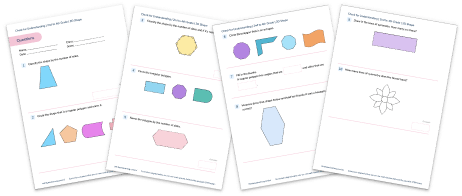
2D Shape Check for Understanding Quiz
Use this quiz to check your grade 2 – 4 students’ understanding of 2D shape.
Download Free Now!What is a regular shape?
A regular shape is a 2D shape where all (interior) angles and sides measure the same.
What is an irregular shape?
An irregular shape is a math shape which has sides and angles of different lengths and sizes, i.e. the sides are not all of equal length, the interior angles are not all the same size.
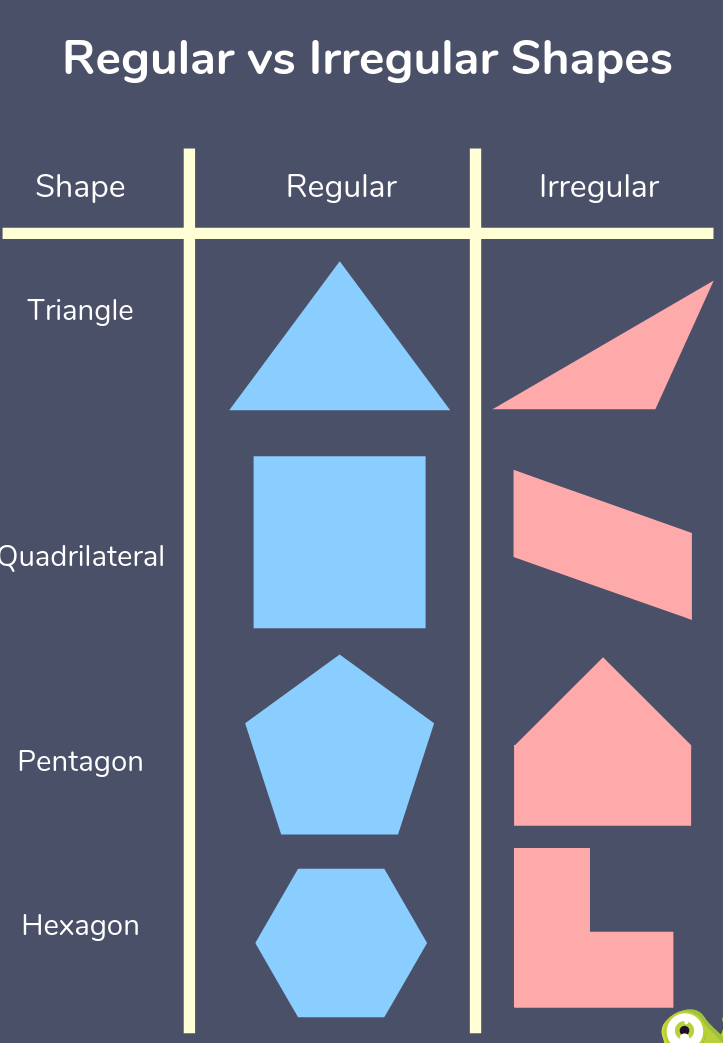
Regular vs irregular shapes: What do they look like?
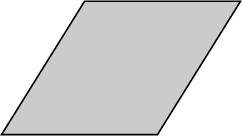
A square, by definition, is a regular shape: it is, in fact, a regular rectangle. This is because the shape is made up of 4 equal sides and 4 equal angles. In the case of a square, these are 4 right angles (90 degrees). However, other quadrilaterals such as parallelograms, are irregular polygons as the length of the sides and interior angles are not all equal.
A regular triangle is called an equilateral triangle, as all interior angles are equal and all sides are equal. However, a scalene triangle or an isosceles triangle are examples of irregular polygons as their sides and interior angles are not all equal.

Meet Skye, the voice-based AI tutor making math success possible for every student.
Built by teachers and math experts, Skye uses the same pedagogy, curriculum and lesson structure as our traditional tutoring.
But, with more flexibility and a low cost, schools can scale online math tutoring to support every student who needs it.
Find out moreExamples of irregular shapes and regular shapes
When will my child learn about regular and irregular shapes in elementary school?
When referring to certain shapes (including regular shapes), the term ‘polygon’ is used – a polygon is a 2D shape with straight sides. The number of sides does not matter.
Throughout elementary school, students will explore and expand their knowledge of geometry and explore the side and vertex properties of different shapes, learn the terminology, such as hexagon, heptagon and octagon, and begin to draw different shapes.
In 3rd grade, students will distinguish between different types of polygons: regular and irregular. The terminology of ‘regular polygon’ is first introduced. Students will compare lengths and angles to decide if a polygon is regular or irregular.
In 4th grade, students distinguish between regular and irregular polygons based on reasoning about equal sides and angles. Fourth graders will begin to identify other properties that classify shapes such as parallel and perpendicular lines, acute, obtuse and right angles. Fourth graders will also identify lines of symmetry within shapes, which will always be present in regular polygons (multiple times!).In 5th grade, students compare and classify geometric shapes based on their properties and sizes and find all the subcategories a particular shape belongs to (for instance, a rhombus is also a parallelogram and a quadrilateral).
In 5th grade, students compare and classify geometric shapes based on their properties and sizes and find all the subcategories a particular shape belongs to (for instance, a rhombus is also a parallelogram and a quadrilateral).
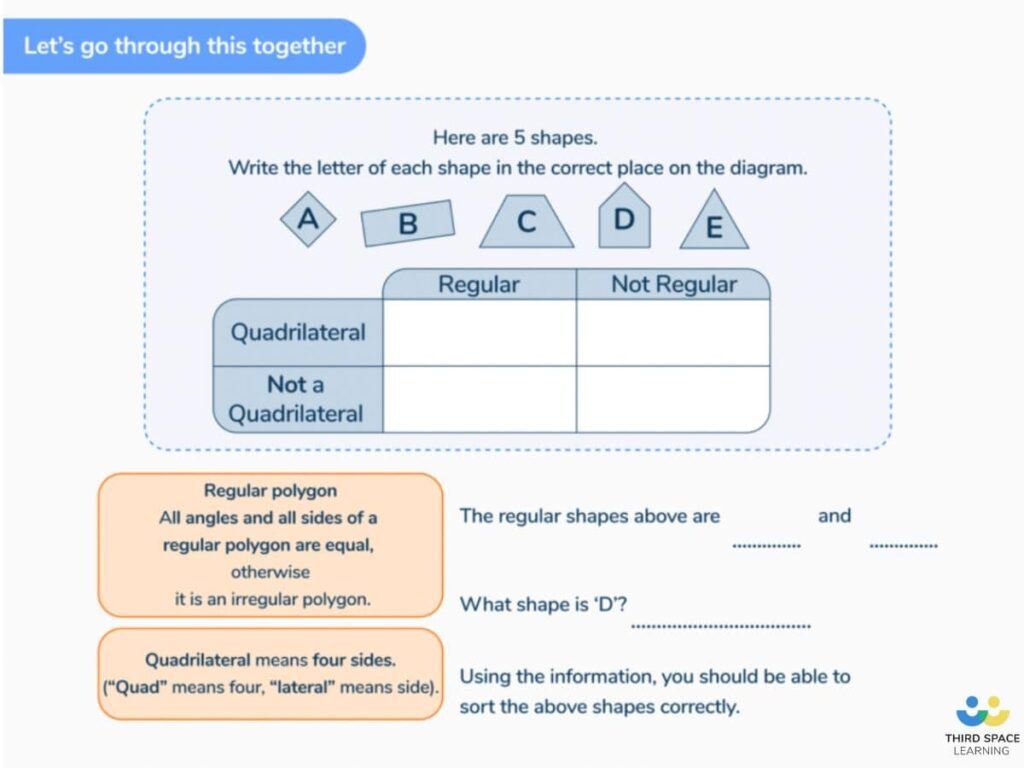
Regular and irregular shape practice questions
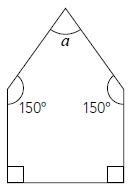
1) The diagram shows a pentagon (not drawn accurately). Each side of the pentagon is the same length. Is the shape a regular pentagon? Explain your answer.
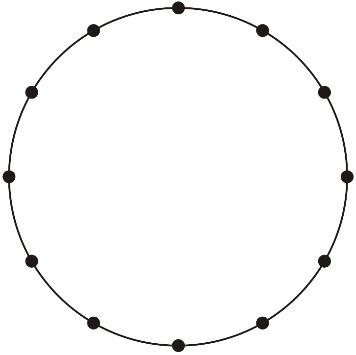
2) Here is an equilateral triangle drawn on a circle.
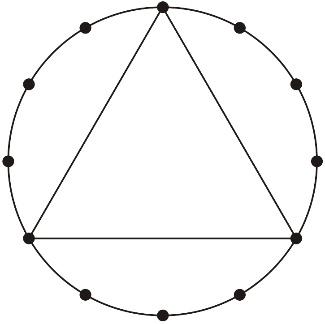
Use a ruler to draw a regular hexagon on this circle.
3) Jack says, “This rhombus is a regular quadrilateral.” Explain why Jack is not correct.
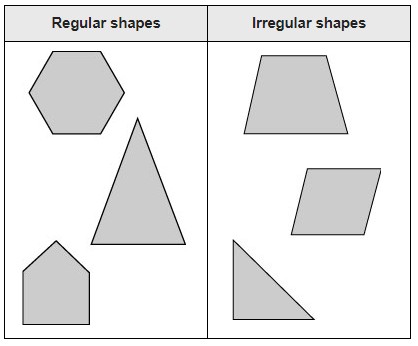
4) Draw crosses on the two shapes that are in the wrong places in the sorting diagram.
Wondering about how to explain other key math vocabulary to your children? Check out our Math Dictionary For Kids, or try these other math terms:
- Shape Definition
- 2D and 3D shapes: Properties and descriptions
- What are 2D shapes?
- What are 3D shapes?
- What is an acute triangle?
- Area And Perimeter Explained For Teachers And Students
Do you have students who need extra support in math?
Skye – our AI math tutor built by experienced teachers – provides students with personalized one-on-one, spoken instruction that helps them master concepts, close skill gaps, and gain confidence.
Since 2013, we’ve delivered over 2 million hours of math lessons to more than 170,000 students, guiding them toward higher math achievement.
Discover how our AI math tutoring can boost student success, or see how our math programs can support your school’s goals:
– 3rd grade tutoring
– 4th grade tutoring
– 5th grade tutoring
– 6th grade tutoring
– 7th grade tutoring
– 8th grade tutoring
The content in this article was originally written by primary school teacher Sophie Bartlett and has since been revised and adapted for US schools by elementary math teacher Jaclyn Wassell.